On the Nature of... Review by Stephen Eddins
Percussionist Anthony di Sanza's CD On the Nature of… features three substantial solos works and a concerto. The first three pieces date from the 1980s and are established as classics the modern percussion repertoire. Toshi Ichiyanagi's Portrait of Forest and Jacob Druckman's Reflections on the Nature of Water, both scored for marimba solo, are sophisticated and imaginative evocations of the natural world. Per Nørgärd's I Ching, in contrast, is scored for what di Sanza describes as "a stage full of percussion instruments drawn from various world cultures." It's a piece that's overwhelming in the impact it makes both in the economy of its gestures and material (movement three, "The Gentle, the Penetrating") and in its dazzling timbral richness and variety (movement one, "Thunder Repeated: The Image of Shock," which sounds like it would take a stage full of percussionists to create such gigantic torrents of sound). It's a fully satisfying work; the sense of purposefulness and musical integrity that it manages to convey in spite of the enormous range of it stylistic and instrumental diversity is a testimony to Nørgärd's exceptional gift and skill.
The challenge di Sanza faced in writing his Concerto for Darabukka and Percussion Quartet was creating a piece in which a non-melodic instrument could hold its own as the featured solo using only rhythm and timbral shading, and he's fully successful in pulling it off. He does expand the variety of timbres by switching between several darabukkas for the solo part. It's a wonderfully attractive piece -- colorful, inventive, energetic, and consistently engaging -- that draws on the music of the Near and Middle Eastern cultures of its featured solo instrument without sounding derivative. In all of these works di Sanza dazzles not only in the assurance and polish of his playing but in his tremendous vitality and spontaneity. The sound of the Equilibrium CD is vividly detailed, balanced and entirely clean.
World Percussion Ensemble Director / Faculty Performer | Madison, WI
The summer of 2026 marks Anthony Di Sanza’s 12th year with Birch Creek. Di Sanza is Professor of Percussion at the University of Wisconsin – Madison where he is recognized as a Vilas Distinguished Achievement Professor. He has performed and presented master classes throughout North America, Europe and Asia and has appeared as a visiting artist at over 50 universities and conservatories.
Di Sanza can be heard on over 25 internationally distributed audio and video recordings, including Union Duo, Don’t Look Down, Ensemble Duniya, Keiko Abe and the Michigan Chamber Players and Galaxy Percussion. Reviewing his solo CD release, On the nature of…, All Music Guide writes; “Di Sanza dazzles not only in the assurance and polish of his playing but in his tremendous vitality and spontaneity.”
Di Sanza’s percussion compositions have been performed internationally and he has works published by Tapspace, Alfred and HoneyRock. He has a signature line of marimba mallets distributed by Encore Mallets and Black Swamp Percussion produces the Di Sanza Triangle Trigger. Di Sanza is an endorser of Encore, Black Swamp, Marimba One, Sabian and Remo, and Pro-Mark. At Birch Creek, he is a faculty performing artist and teaches a variety of world percussion styles and directs small and large ensembles.
On the Nature of... Review by Stephen Eddins
Percussionist Anthony di Sanza's CD On the Nature of… features three substantial solos works and a concerto. The first three pieces date from the 1980s and are established as classics the modern percussion repertoire. Toshi Ichiyanagi's Portrait of Forest and Jacob Druckman's Reflections on the Nature of Water, both scored for marimba solo, are sophisticated and imaginative evocations of the natural world. Per Nørgärd's I Ching, in contrast, is scored for what di Sanza describes as "a stage full of percussion instruments drawn from various world cultures." It's a piece that's overwhelming in the impact it makes both in the economy of its gestures and material (movement three, "The Gentle, the Penetrating") and in its dazzling timbral richness and variety (movement one, "Thunder Repeated: The Image of Shock," which sounds like it would take a stage full of percussionists to create such gigantic torrents of sound). It's a fully satisfying work; the sense of purposefulness and musical integrity that it manages to convey in spite of the enormous range of it stylistic and instrumental diversity is a testimony to Nørgärd's exceptional gift and skill.
The challenge di Sanza faced in writing his Concerto for Darabukka and Percussion Quartet was creating a piece in which a non-melodic instrument could hold its own as the featured solo using only rhythm and timbral shading, and he's fully successful in pulling it off. He does expand the variety of timbres by switching between several darabukkas for the solo part. It's a wonderfully attractive piece -- colorful, inventive, energetic, and consistently engaging -- that draws on the music of the Near and Middle Eastern cultures of its featured solo instrument without sounding derivative. In all of these works di Sanza dazzles not only in the assurance and polish of his playing but in his tremendous vitality and spontaneity. The sound of the Equilibrium CD is vividly detailed, balanced and entirely clean.
World Percussion Ensemble Director / Faculty Performer | Madison, WI
The summer of 2026 marks Anthony Di Sanza’s 12th year with Birch Creek. Di Sanza is Professor of Percussion at the University of Wisconsin – Madison where he is recognized as a Vilas Distinguished Achievement Professor. He has performed and presented master classes throughout North America, Europe and Asia and has appeared as a visiting artist at over 50 universities and conservatories.
Di Sanza can be heard on over 25 internationally distributed audio and video recordings, including Union Duo, Don’t Look Down, Ensemble Duniya, Keiko Abe and the Michigan Chamber Players and Galaxy Percussion. Reviewing his solo CD release, On the nature of…, All Music Guide writes; “Di Sanza dazzles not only in the assurance and polish of his playing but in his tremendous vitality and spontaneity.”
Di Sanza’s percussion compositions have been performed internationally and he has works published by Tapspace, Alfred and HoneyRock. He has a signature line of marimba mallets distributed by Encore Mallets and Black Swamp Percussion produces the Di Sanza Triangle Trigger. Di Sanza is an endorser of Encore, Black Swamp, Marimba One, Sabian and Remo, and Pro-Mark. At Birch Creek, he is a faculty performing artist and teaches a variety of world percussion styles and directs small and large ensembles.

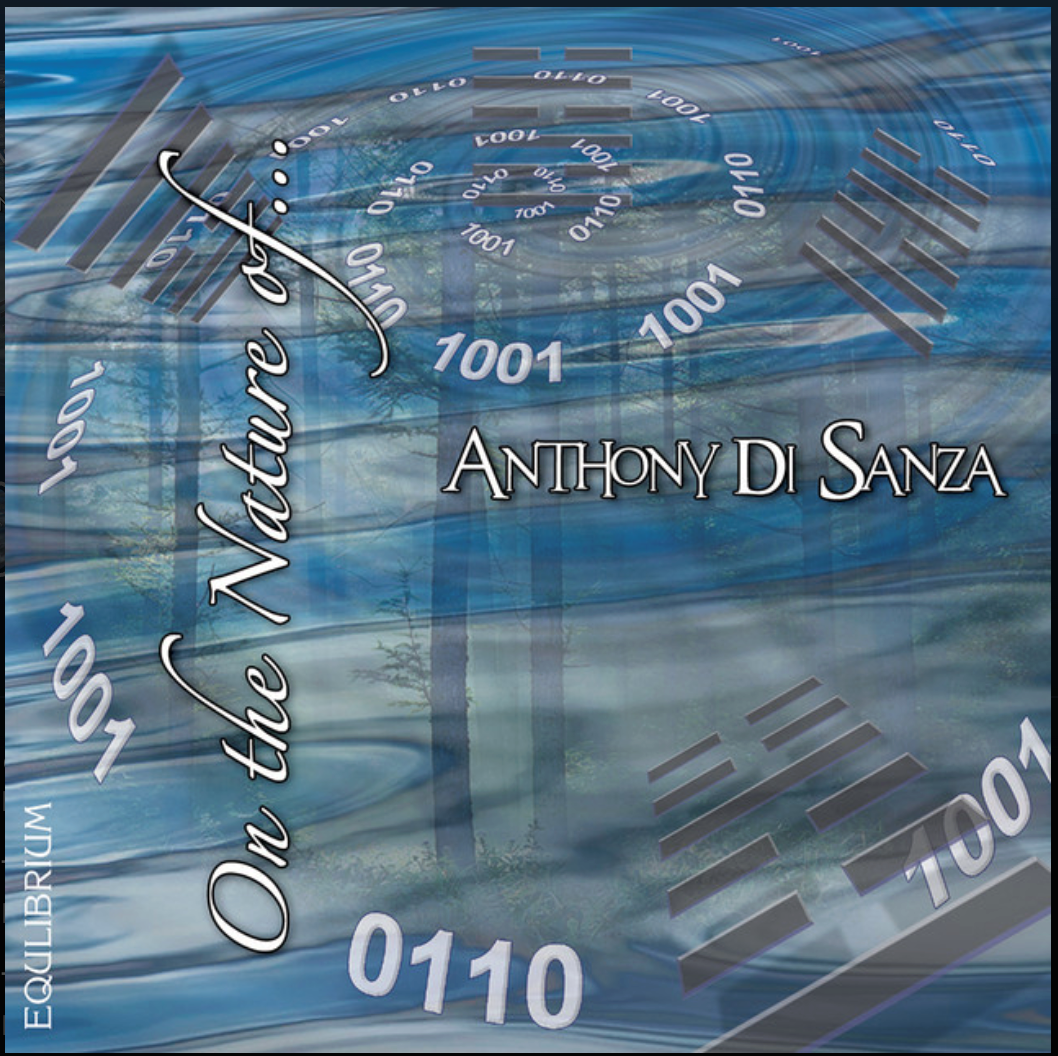 Image 1 of 2
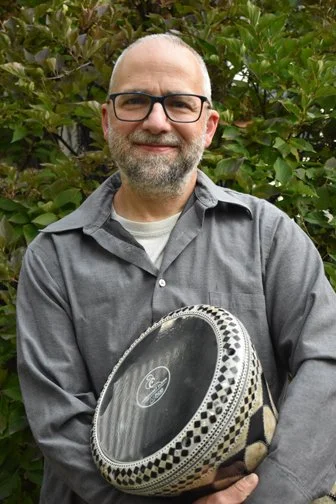 Image 2 of 2