
 Image 1 of 2
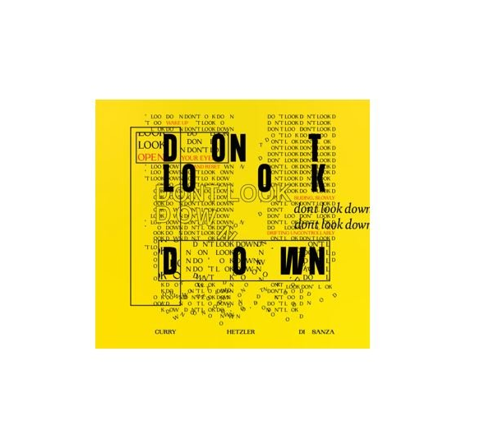 Image 2 of 2
Don’t Look Down was composed in January 2019 as a reaction to the building fatigue, anxiety and gloom the three of us were sensing in society and among our colleagues, students, friends and family - even before the momentous events of 2020. Was this societal ethos driven by politics, social inequity, cognitive dissonance, technological dependence, social media addiction? The title Don't Look Down (DLD) refers to the advice one often hears when positioned at a frighteningly tall height, like on a ledge, cliff or tightrope. But the phrase also refers to the frequency with which we all look down in our daily lives, distracted from the present moment by a constant need to check our devices. The music on this recording is not a reference to any particular event, nor is it a political statement, but rather a reflection on the way the human mind attempts to maintain focus while responding to external stimuli. As we started to create DLD, we asked ourselves: How do we as individuals overcome obstacles in ways that allow us to seek and experience happiness and fulfillment? Is it possible to remain disciplined in our pursuits and priorities, or are we destined to be led astray? Can we maintain motivation and inspiration, or are we bound for discouragement? Are we actually in control of our state of mind at all?
DLD is structured in eleven movements that unfold as an arch, oscillating between feelings of solitude and conflict, relaxation and agitation, barren sonic landscapes and overwhelming density. These moments reflect the challenges, distractions, successes and failures we each encounter in the span of a day, a year or a lifetime. So often, we start out with a plan for discipline and routine but are knocked off course by some outside influence. At that point, do we gain or lose momentum? Do we adjust flexibly to new stimuli and forge new and better plans through resiliency, or veer irrevocably off track and lose our way?
Don’t Look Down was composed in January 2019 as a reaction to the building fatigue, anxiety and gloom the three of us were sensing in society and among our colleagues, students, friends and family - even before the momentous events of 2020. Was this societal ethos driven by politics, social inequity, cognitive dissonance, technological dependence, social media addiction? The title Don't Look Down (DLD) refers to the advice one often hears when positioned at a frighteningly tall height, like on a ledge, cliff or tightrope. But the phrase also refers to the frequency with which we all look down in our daily lives, distracted from the present moment by a constant need to check our devices. The music on this recording is not a reference to any particular event, nor is it a political statement, but rather a reflection on the way the human mind attempts to maintain focus while responding to external stimuli. As we started to create DLD, we asked ourselves: How do we as individuals overcome obstacles in ways that allow us to seek and experience happiness and fulfillment? Is it possible to remain disciplined in our pursuits and priorities, or are we destined to be led astray? Can we maintain motivation and inspiration, or are we bound for discouragement? Are we actually in control of our state of mind at all?
DLD is structured in eleven movements that unfold as an arch, oscillating between feelings of solitude and conflict, relaxation and agitation, barren sonic landscapes and overwhelming density. These moments reflect the challenges, distractions, successes and failures we each encounter in the span of a day, a year or a lifetime. So often, we start out with a plan for discipline and routine but are knocked off course by some outside influence. At that point, do we gain or lose momentum? Do we adjust flexibly to new stimuli and forge new and better plans through resiliency, or veer irrevocably off track and lose our way?